
What to Expect During a Professional Hardwood Floor Installation

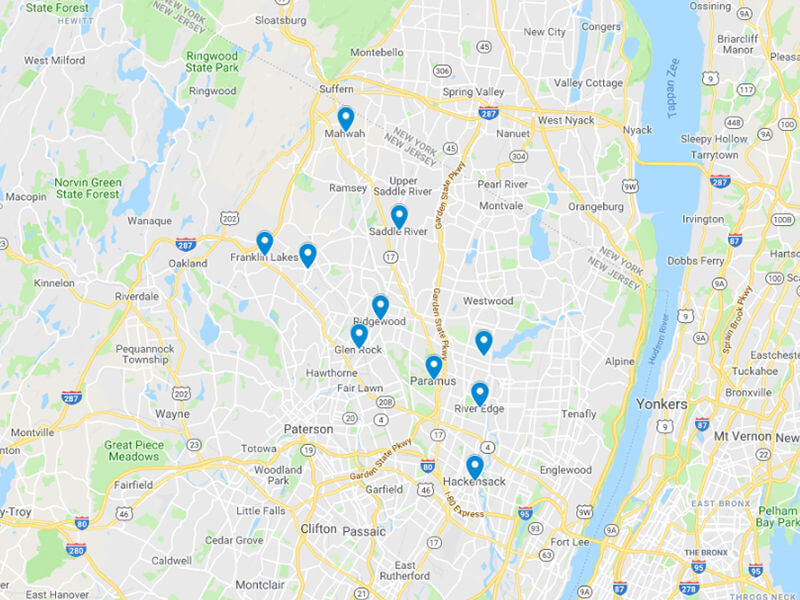
If you are planning hardwood floor installation in Paramus, the right team and a clear plan make all the difference. This guide walks you through the process that homeowners in Paramus, Ridgewood, Oradell, and nearby Tenafly commonly experience when they choose Dustless Sanding NJ for hardwood floor installation. You will learn how the schedule typically flows, how crews prepare your home, and what to expect during finishing and the first week with your new floors.
For overall flooring solutions, many Paramus homeowners start with floor refinishing or consider broader hardwood floor services to address leveling, squeaks, or repairs before new planks go in. If you want to learn more about Dustless Sanding NJ or book a consultation for hardwood floor installation in Paramus, NJ, our advisors are ready to help.
Why Professional Hardwood Floor Installation Matters in Paramus
Paramus homes range from mid‑century split‑levels to newer colonials, each with unique subfloors, room layouts, and traffic patterns. Bergen County’s seasonal humidity swings add another layer, so proper acclimation, moisture checks, and clean finishing are essential. A professional crew coordinates these steps so your new floors look seamless from day one and continue performing well through wet springs and dry winters.
Pre-Project Walkthrough and Planning
Good installations start with a thorough walkthrough. Your project lead confirms room measurements, plank width and species, transitions, trim, and any areas that might need attention. They also outline delivery timing, site access, pet safety, and elevator or stair access for condos and townhomes. If permits or building approvals are needed, your installer will advise you since requirements vary by municipality and building.
Expect discussions about:
- Moisture testing and ideal indoor conditions for installation and finishing
- Furniture moving and temporary storage plans so work areas are clear
- Protection paths for walls, stairs, and doorways to prevent scuffs
- Preferred plank direction to align with light and room flow
Think of this stage like priming a canvas before painting. The better the prep, the better the final look.
Acclimation and Material Delivery
Your materials arrive and sit inside the home to acclimate. This helps the wood adjust to the typical indoor temperature and humidity of your space. The crew will ask you to keep normal living conditions during this time, with heating or cooling running as usual and air moving. In humid New Jersey summers, acclimation may be a bit longer than in winter. Timelines vary by species and site conditions.
Subfloor Preparation and Leveling
Before a single plank is installed, the crew focuses on the subfloor. They check for flatness, fasten loose areas to reduce squeaks, and address minor height transitions between rooms. If there are dips or high spots, they are corrected to meet the manufacturer’s tolerances so the finished floor lays tight and secure. This step is half the art and sets the stage for a speedy, clean installation.
Installation Day: What Actually Happens
On installation day, the crew arrives on time, protects walkways, and stages tools and materials. They snap layout lines so the first row is straight, then install planks using the method best suited for your product and subfloor. During the day, you may hear compressors, nailers, or saws, though dust containment and regular cleanup keep the work area orderly.
You can expect the team to:
- Set up dust control and floor protection in high‑traffic routes
- Undercut door casings if needed for a tight, finished look
- Blend boards for a natural color flow across the entire room
- Install trim, reducers, and thresholds for smooth transitions
Do not schedule other contractors inside the same rooms during installation because traffic and vibration can affect alignment and finish quality.
Finishing, Curing, and Your First Week
Many prefinished products are ready for light foot traffic soon after installation, while site‑finished floors follow a different schedule after sanding and coating. Your crew will advise when socks‑only traffic is allowed and when normal furniture can return. As a general practice, wait before placing area rugs and heavy furniture so coatings have time to harden. Keep air moving and maintain typical indoor temperatures to help curing.
Bergen County’s weather can swing from humid summers to dry winters. To help your new floors settle well, keep indoor humidity consistent with a dehumidifier in July and a humidifier in January. This small step protects seams and keeps boards stable.
Cleanup, Walk-Through, and Care Basics
When installation wraps, the crew removes debris and vacuums the work area. A final walk‑through confirms details around vents, trim, stair noses, and closet doors. You will receive basic care guidance such as using felt pads on furniture feet, setting mats by entryways, and cleaning with wood‑safe products. If you ever see a plank that raises a question, call Dustless Sanding NJ and we will take a look. Quality control is part of the service long after the last board is placed.
How Long a Typical Project Takes
Duration varies by home size, material, and season. Complex layouts with many doorways or herringbone patterns take longer than wide‑open rooms. Subfloor work adds time but prevents future issues. Prefinished floors can shorten the on‑site finishing window, while site‑finished floors allow custom color and sheen. Homes in Tenafly with older plank subfloors may need extra prep, which is normal and improves long‑term performance.
How to Prepare Your Paramus Home
Preparation helps the crew work efficiently and protects your belongings. A brief checklist makes day one smooth:
- Clear small items, wall art, and electronics from rooms and hallways
- Plan pet safety and a quiet space away from work zones
- Reserve nearby parking for the crew and materials to reduce carry distance
- Confirm access times, entry codes, and elevator schedules if applicable
- Keep HVAC running at normal settings so acclimation and curing stay on track
Seasonal Tips for Bergen County Homes
Snow and road salt can be tough on wood. Use boot trays in winter and clean up moisture quickly after storms. In summer, aim for steady indoor conditions so boards do not expand more than expected. Close windows during rainy days and run bath fans to limit moisture. These simple habits protect edges and finish in kitchens, foyers, and basement‑level entries.
When to Choose Refinishing Instead
Sometimes new floors are the right answer. Other times, your existing floors have enough life to restore their beauty. If you are undecided, ask about a site evaluation that considers thickness, prior sanding history, and your design goals. Many Paramus homeowners compare options and start with floor refinishing to refresh color and sheen, then plan add‑on rooms for later. For larger projects that include repairs, leveling, or squeak work, our hardwood floor services overview is a helpful place to start.
Ready for New Hardwood Floors?
If your goal is a clean, timeless look that stands up to daily life, it is time to talk with a specialist. Our advisors at Dustless Sanding NJ can review species, plank width, finishes, and timeline, then schedule professional new hardwood floors that match your space and lifestyle. Call us at 201-775-0028 to set up your in‑home visit or book online. When you want a smooth, low‑stress project and lasting results, our team is here to help.